- +1 832 713 1600



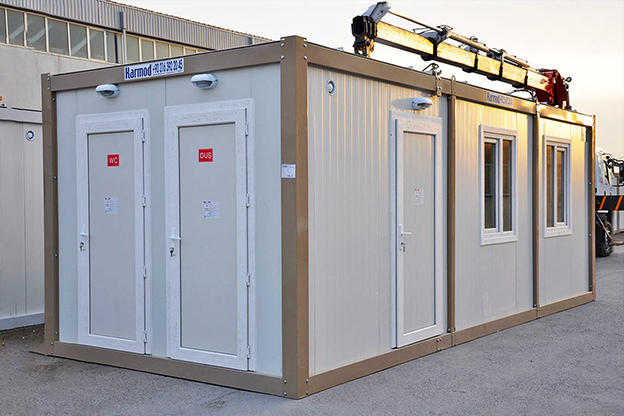
Louisiana, with its diverse landscapes and bustling cities, has recently witnessed a surging interest in portable containers. And when it comes to top-tier quality and innovation in this sector, one brand stands out – Karmod. Here's why portable containers are gaining traction in the Pelican State:


Karmod has cemented its reputation by consistently delivering top-quality products tailored to Louisiana's unique needs. Their commitment to innovation, coupled with their understanding of local demands, ensures they're the premier choice for all container-related solutions.
In essence, Louisiana's ever-evolving demands are met gracefully with Karmod's wide array of container options. Whether it's for personal use, business needs, or community projects, portable containers are paving the way for flexible, cost-effective, and innovative solutions in the heart of the South.


Louisiana, renowned for its vibrant culture and musical heritage, has always been a melting pot of innovation and creativity. The latest trend sweeping the state? The transformation of shop and canteen containers into trendsetting spaces. These aren't your average shops or canteens; they exude uniqueness, bringing a fresh flavor to the traditional retail and dining experience. With the blend of Louisiana's rich traditions and the contemporary touch of container conversions, it's no surprise that these establishments are quickly becoming the talk of the town.
Take a walk down the streets of New Orleans or Baton Rouge, and you might stumble upon a chic boutique nestled within a refurbished container. These shop containers, with their compact and innovative designs, offer a unique shopping experience, drawing locals and tourists alike. Each unit reflects Louisiana's eclectic spirit, from the curated items inside to the avant-garde exterior designs.
Meanwhile, canteen containers are sprouting up across Louisiana, giving food entrepreneurs a chance to showcase their culinary talents in unconventional spaces. Whether it's serving gumbo, beignets, or modern fusion dishes, these container canteens capture Louisiana's gastronomic diversity in every bite. The modish and often artsy aesthetics of these canteens further enhance the dining experience, making every meal memorable.
The trend is clear: shop and canteen containers are redefining Louisiana's commercial spaces, blending tradition with innovation. They represent the state's ability to adapt while preserving its unique cultural essence.
In the evolving business landscape of Louisiana, adaptability and efficiency are key. Entrepreneurs and established companies are increasingly turning to office containers as a viable solution to address their workspace needs. These aren't just makeshift offices but sophisticated spaces that blend functionality with style.
Louisiana's office containers offer a plethora of advantages. First, they're cost-effective. With skyrocketing real estate prices in prime locations, these containers present an affordable alternative without compromising on quality. They're easily customizable, allowing businesses to tailor the space to their brand's identity and functional requirements.
Besides functionality, there's an undeniable charm in working from a contemporary container office set against Louisiana's picturesque backdrop, be it the bayous or the bustling streets of its cities. These offices, often adorned with local art and sustainable materials, are not only ergonomic but also environmentally friendly.
Moreover, the flexibility of office containers is unparalleled. Need to expand your team? Simply add another unit. Want to relocate your office closer to a project site? It's feasible with these portable structures.
In a state that values both tradition and innovation, Louisiana's office containers seamlessly merge the two, offering businesses a workspace solution that's as practical as it is avant-garde. As more companies recognize the potential of these modular offices, Louisiana is set to redefine the future of workspaces.
In the heart of the South, where the Mississippi River winds and cultures converge, Louisiana is witnessing a revolution in its accommodation sector. The rapid urbanization and influx of students and professionals in cities like Baton Rouge and New Orleans have necessitated innovative housing solutions. Enter accommodation and dormitory containers.
Louisiana, with its dynamic mix of urban centers and sprawling natural landscapes, often requires swift and efficient space solutions. Whether it's for storage, temporary offices, or emergency shelters during hurricane season, Flat Pack Containers have emerged as a favorite choice among Louisianans.
Louisiana's embrace of Flat Pack Containers highlights the state's forward-thinking approach. Prioritizing versatility, efficiency, and sustainability, these smart space solutions are more than just a trend – they are becoming integral to how Louisiana addresses its evolving space needs.


While storage and shipping containers have garnered immense popularity across the globe for their versatility, Louisiana's unique climate, culture, and infrastructure present a set of challenges that potential users should be aware of. Here's a deep dive into some of the disadvantages that might surface when adopting these containers in the Pelican State:
Firstly, when looking at the broader application of containers, notably in Container Homes, the state's humid climate can become a significant concern. Louisiana's notorious humidity can cause rapid condensation inside containers, leading to mold growth, an issue detrimental to the health of residents. Proper insulation is a must, but that can drive up the costs and negate one of the primary benefits of container homes – affordability.
Structurally, while containers are built to withstand immense pressure and weight on their corners, modifications, especially when not done correctly, can compromise their integrity. Cutting out sections for windows or doors without reinforcing the structure might lead to long-term stability issues.
Then there's the matter of Container Sanitary considerations. The original purpose of these containers was for shipping, not human habitation or storage of delicate items. Without adequate modifications, they might lack proper sanitary provisions, making them unsuitable for living or storing items that demand a clean, sterile environment.
Transporting these containers can also be a hurdle. Louisiana's intricate web of highways, byways, and narrow streets, especially in historical areas like the French Quarter, might pose logistical challenges when moving these bulky structures.
Lastly, while containers are praised for their eco-friendliness due to recycling used structures, there's a flip side. The repurposing process can have a significant carbon footprint, especially if not managed sustainably. Sandblasting old paint, treating rust, and the energy consumed in modifications can all add up.
In conclusion, while storage and shipping containers offer a world of benefits and innovative solutions, potential users in Louisiana should be well-versed with these disadvantages to make informed decisions. As with any venture, thorough research, consultation with experts, and understanding local regulations can go a long way in ensuring success.