- +1 832 713 1600



In today's fast-paced world, flexibility is the name of the game. Especially in the realm of infrastructure, where adaptability can dramatically affect costs and efficiency. Enter the world of portable containers—a game changer in modern construction and storage. Pennsylvania, with its blend of urban areas and vast countryside, stands as a prime beneficiary of this trend. Let's dive deep into the diverse world of these containers and see what makes them such an integral part of today's industry, with a special shoutout to the innovative brand Karmod.


To wrap it up, portable containers aren't just a trend—they're the future. With brands like Karmod leading the charge, it's evident that this modular revolution is here to stay. So, if you're in Pennsylvania and in the market for these containers, you know where to look. It's not just about saving space; it's about optimizing it!


In the heart of Pennsylvania, a new trend is making waves and reshaping how businesses think about their spaces. Shop and canteen containers are revolutionizing the traditional brick-and-mortar establishments, offering entrepreneurs a more flexible, cost-effective, and sustainable option for their ventures. With the bustling streets of Philadelphia to the serene landscapes of Lancaster, these container spaces are fitting in seamlessly, bringing a modern touch to Pennsylvania's diverse landscapes.
The beauty of using containers for shops is their inherent versatility. From chic boutique stores to quirky coffee shops, these spaces can be tailored to fit the brand's identity. Moreover, they're easily transportable. So, if a location doesn't quite hit the mark, relocating becomes a simpler task—no more being tethered to a less-than-ideal spot! As for canteens, the story is much the same. With Pennsylvania's thriving food scene, these container canteens offer food entrepreneurs a chance to test out locations, serve a broader audience, and do it all without the hefty overhead costs of traditional eateries.
Gone are the days when offices were bound to towering skyscrapers or sprawling corporate parks. Today, Pennsylvania is leading the charge in reimagining the workplace, and office containers are at the forefront of this change. These modular spaces, with their sleek designs and efficient interiors, are breathing new life into the concept of work environments.
Pennsylvania's diverse business landscape, from tech startups in Pittsburgh to creative agencies in Scranton, demands flexibility. Office containers offer just that. Not only are they cost-effective, but they also cater to the growing need for remote and satellite offices. This means businesses can set up shop closer to where their employees live or near strategic locations without committing to long-term leases or hefty rents.
Additionally, the sustainability factor cannot be overlooked. With an increasing emphasis on green practices, office containers offer an eco-friendly alternative to traditional construction. They're often made from repurposed shipping containers, reducing waste and promoting a circular economy.
In conclusion, as Pennsylvania continues to evolve and grow, these container-based solutions—be it for shops, canteens, or offices—are proving to be not just trendy but also practical and sustainable. It's a brave new world out there, and Pennsylvania, with its innovative spirit, is more than ready to embrace it.
The Keystone State, known for its rich history and diverse culture, has always been a hub for innovation. Today, Pennsylvania is witnessing a transformation in the realm of accommodation with the rise of container-based housing solutions. Here's a closer look:
Flat pack containers are changing the game in Pennsylvania, offering residents and businesses a smart, space-saving solution. Here's why they're making waves:
In the evolving landscape of Pennsylvania, both accommodation & dormitory containers and flat pack containers offer innovative solutions that cater to modern needs. As the state looks towards more sustainable, efficient, and flexible options, these container solutions are perfectly poised to answer the call.


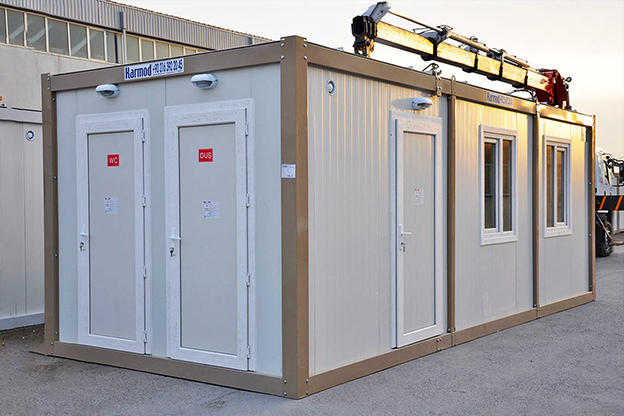
Pennsylvania, a state with a vast industrial history, has seen a surge in the adoption of containers for various purposes, especially in areas like storage and shipping. While the benefits of these containers are numerous, it's essential to shed light on some of their potential downsides. As the popularity of container homes and container sanitary solutions grows in the state, potential users should be aware of the challenges they might face.
First and foremost, insulation challenges arise, especially in the unpredictable Pennsylvanian weather. Both sweltering summers and frigid winters can pose problems for storage & shipping containers. Container homes, in particular, need adequate insulation to ensure they remain energy-efficient and comfortable.
Limited space is another concern. While some find the compact nature of containers to be a minimalist dream, others might feel constrained. This limitation is especially significant in storage scenarios where bulky items are involved or in container homes where a family needs room to grow.
Container sanitary issues, particularly in repurposed containers, can be a concern. Without proper treatment and cleaning, these containers might have remnants from their previous cargo, posing potential health hazards. This is especially crucial to consider if converting a shipping container into a living or working space.
Permit and zoning challenges are also prevalent. Not all zones within Pennsylvania allow for container-based structures. Hence, individuals and businesses need to be thorough in their research and ensure they're adhering to local regulations.
Lastly, the environmental footprint of producing new containers and shipping them worldwide is considerable. While repurposing containers is a sustainable option, the production of new units doesn't always align with green initiatives.
In conclusion, while storage and shipping containers offer versatile and innovative solutions, Pennsylvanians should approach their adoption with a well-informed perspective. Being aware of potential pitfalls ensures that users can mitigate risks and reap the maximum benefits of their container investments.