- +1 832 713 1600



When you think about Delaware, the picturesque beaches, rich history, and the burgeoning business community come to mind. But here's another thing rapidly gaining traction - the use of portable containers. The once-overlooked steel boxes have now taken center stage, offering innovative solutions across various sectors, and companies like Karmod are leading the charge.


In the evolving landscape of Delaware, containers are more than just storage units; they're symbols of innovation, sustainability, and adaptability. With industry leaders like Karmod offering top-tier solutions, the future of portable containers in Delaware looks not just promising but transformative. If you're looking to join this trend, remember to prioritize quality, versatility, and sustainability.


Delaware's commercial scene has always been one to watch, boasting both tradition and innovation. Recently, there's been a noticeable trend that blends these two aspects perfectly: the rise of shop and canteen containers. These aren't just your typical metal boxes; they're stylish, functional, and screaming modernity. Brands, both established and emerging, are leaning into this trend, finding that these containers offer a fresh aesthetic appeal while retaining the timeless charm of a brick-and-mortar space.
Delaware's coastal towns, known for their vibrant boardwalks and tourist attractions, are seeing a surge in these container-based shops. From boutique fashion outlets to quirky coffee spots, these compact yet impactful spaces are making a splash. Not only do they stand out visually, but their eco-friendly nature also aligns with the state's sustainability goals, creating a win-win for entrepreneurs and environment enthusiasts alike.
The canteen container scene is equally dynamic. Picture this: enjoying a delicious meal or sipping on a refreshing drink, all while being in a reimagined shipping container. Sounds novel, right? Well, Delaware's culinary masters think so too. By leveraging the modularity of these containers, they're crafting unique dining experiences that residents and tourists are loving. With a minimalistic approach, these canteens prioritize quality over quantity, offering gourmet dishes in avant-garde settings.
In the corporate corridors of Delaware, a transformation is underway. Away from the skyscrapers and sprawling office complexes, a new kind of workspace is emerging, one that redefines what a modern office should look like: the office container. Gone are the days when containers were merely associated with shipping and storage. Today, they're at the forefront of architectural innovation, providing companies with workspaces that are as efficient as they are stylish.
Choosing an office container is not just about jumping on a trend; it's about understanding the future of work. With the shift towards remote working and the increasing need for flexibility, Delaware businesses are recognizing the value of having an office that can move with them. Whether it's relocating to a bustling city center or setting up near a serene beach for those creative retreats, these containers allow businesses to be where they need to be.
Furthermore, customization is key. Brands are injecting their personality into these spaces, ensuring that every inch reflects their ethos. Be it open-plan designs for collaborative work or soundproof pods for focused tasks, the versatility of office containers is unmatched. And let's not forget the green aspect. In an era where sustainability is paramount, repurposing containers into workspaces is a significant nod to eco-conscious operations.
In Delaware, the office container wave is not just coming; it's already here. It's a reflection of a state that's always looking ahead, embracing change while staying rooted in its rich history. If you're contemplating a workspace revamp, maybe it's time to think inside the box – the office container box, that is.
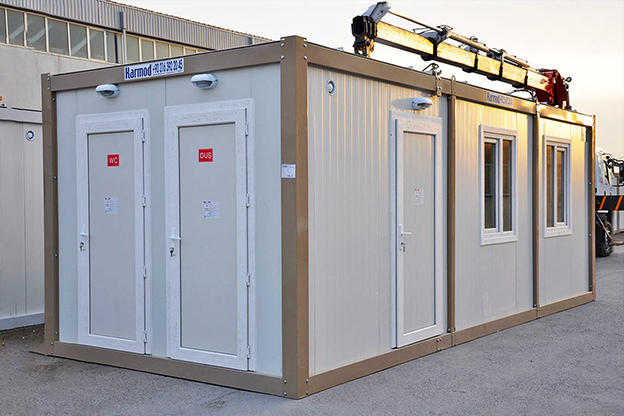
Delaware, known for its picturesque landscapes and bustling business hubs, often sees a mix of tourists, students, and professionals coming into the state. This influx has sparked innovative accommodation solutions, one of the most prominent being accommodation and dormitory containers.
Flat pack containers are revolutionizing Delaware's approach to space solutions. Whether it's for storage, housing, or commercial purposes, these containers are a game-changer.
As Delaware continues to grow and evolve, the demand for smart space solutions will rise. Both accommodation & dormitory containers and flat pack containers are not just trends but are emerging as sustainable, efficient, and smart choices for the future.


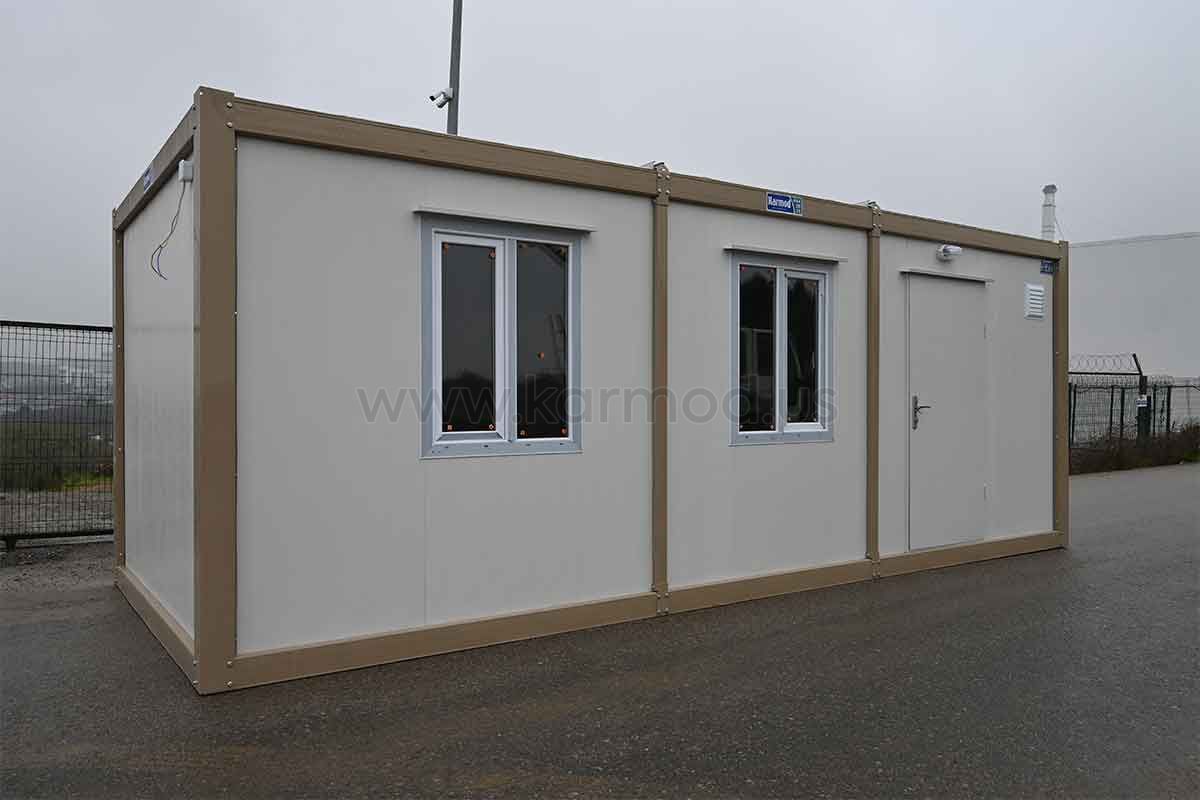


Delaware, with its strategic position and growing industries, has seen a rise in the use of storage and shipping containers for various applications, including the increasingly popular container homes. But like all solutions, these containers come with their own set of challenges. Let's delve into some insights about the disadvantages of using these containers in the First State.
First and foremost, while container homes have gained traction for their novelty and sustainability, they aren't free from drawbacks. The initial modification of shipping containers to make them habitable can be resource-intensive. Insulation becomes paramount due to the steel's conductive nature, which can lead to excessive heat during Delaware's summers and chilly interiors in the colder months.
Moreover, the standard dimensions of containers can pose restrictions, especially for those dreaming of spacious interiors. While they may seem ideal for compact living, expanding a container home to accommodate a larger family or additional amenities can become complex and less cost-effective than traditional housing methods.
In the realm of container sanitary considerations, there's a need for extensive modifications. Plumbing and waste disposal become critical challenges. The steel structure, though robust for shipping purposes, isn't naturally designed to handle extensive plumbing, potentially leading to long-term maintenance issues.
Additionally, the provenance of the container is crucial. Many used shipping containers might have transported chemicals or perishable goods, leaving residues that are difficult to clean and might pose health risks. Without a proper understanding of a container's history, transforming it into a living space or storage facility might be dicey.
Furthermore, local zoning laws and building regulations in various Delaware localities might not be container-friendly. This could lead to hurdles in obtaining necessary permits, especially if local authorities aren't familiar with or are skeptical about container constructions.
In conclusion, while storage and shipping containers offer innovative solutions in housing and storage sectors, potential users in Delaware should be aware of their disadvantages. Proper research, understanding local regulations, and weighing the pros and cons are essential before embarking on a container-based project.