- +90 539 635 89 38



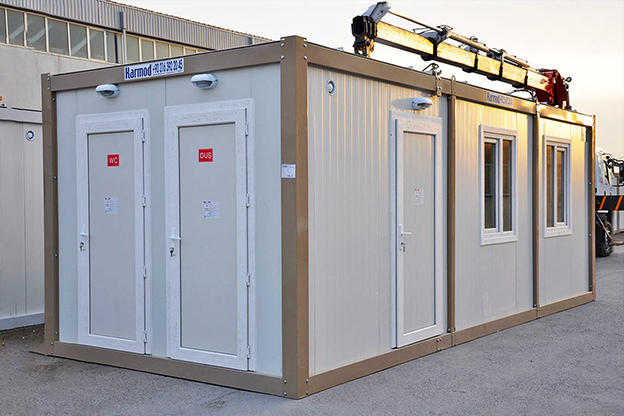
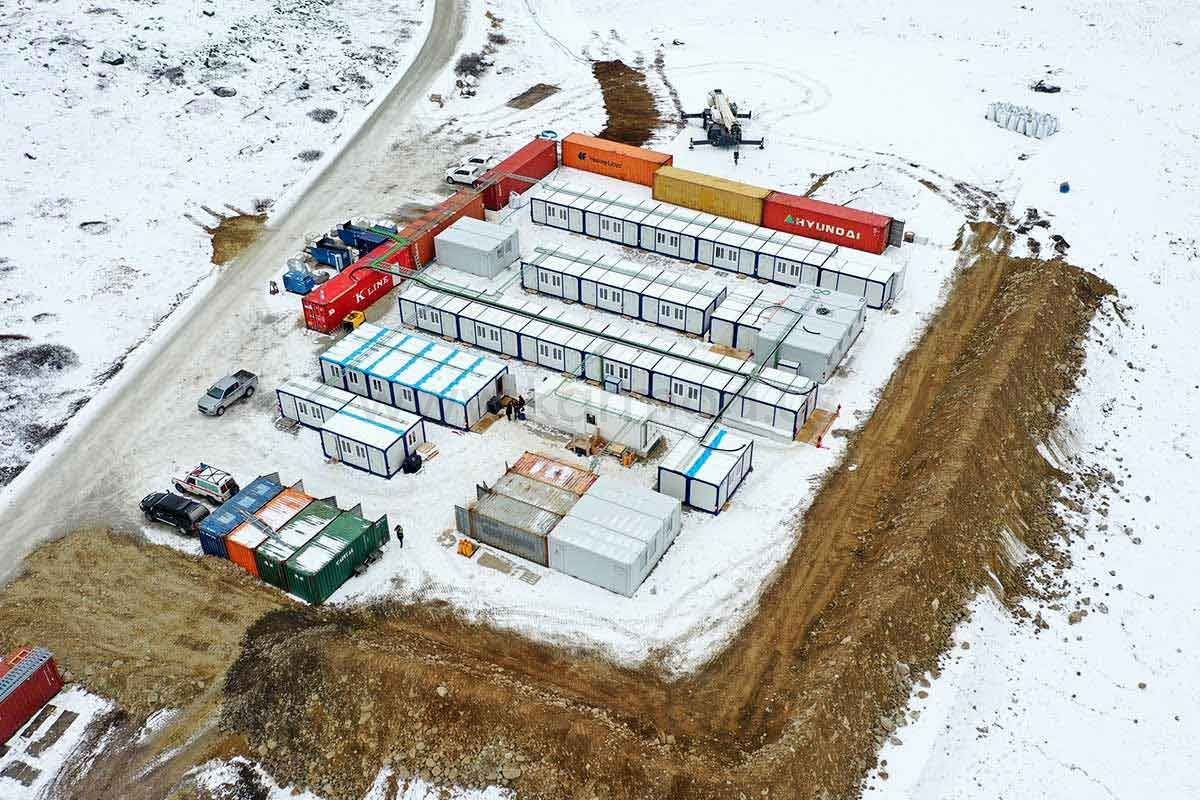
North Carolina, known for its scenic coastlines, bustling cities, and rich history, has recently seen a surge in demand for innovative space solutions. Enter the realm of portable containers. If you're someone seeking an effective, swift, and versatile solution to your space needs, you're in the right state. Here's a lowdown on what the market, led by pioneers like Karmod, offers:



In conclusion, when it comes to portable containers in North Carolina, there's no one-size-fits-all. And brands like Karmod understand this diversity of needs. With a vast array of options and customization possibilities, the market ensures every North Carolinian's space needs are addressed efficiently and stylishly. If you're in the market, remember, it's more than just a container – it's an innovative space solution.


North Carolina, both North and South, is experiencing an architectural renaissance, and it’s not where you might expect. The streets and open spaces are becoming dotted with trendy shops and canteens, all taking residence in redesigned containers. It's a marriage of utility and style, and the results are nothing short of stunning. Karmod, a leader in the container industry, has been at the forefront, turning ordinary containers into extraordinary commercial spaces. These aren't just places to shop or eat; they're experiences.
The charm of a shop or canteen container lies in its transformative nature. What was once a symbol of logistics and transport has been artfully reimagined into unique spaces brimming with character. Think rustic coffee shops with artsy interiors, or chic boutique stores showcasing local North Carolina artistry. These containers have become a canvas for creativity, and the business owners of North Carolina are leveraging them in splendid ways.
What's driving this trend? It's the search for the distinctive. In a world where retail spaces often blur into a uniform aesthetic, Carolina's entrepreneurs are seeking to stand out. Container shops and canteens offer that difference. Their modular nature allows for personalized designs, and their very form factor naturally draws attention.
When you think of North Carolina's office spaces, towering glass buildings in Charlotte or sprawling tech parks might come to mind. However, the region is quietly pioneering a new kind of office space, and it’s revolutionizing the way businesses operate. Container offices, facilitated by industry giants like Karmod, are redefining the concept of workspaces in North Carolina.
Gone are the days when offices were mere brick and mortar structures. Today's North Carolina businesses seek spaces that reflect their brand ethos and values. A container office offers just that—innovation, sustainability, and a hint of daring. Each container office, with its compact design and sustainable architecture, embodies the spirit of modern-day North Carolina: dynamic, eco-conscious, and forward-thinking.
One might wonder about the advantages. For starters, container offices are incredibly versatile. Need an extra conference room? Just add another unit. Planning to relocate your startup to a buzzing North Carolina business hub? Simply move your container office. It's this flexibility, coupled with the inherent robustness of containers, that’s making them a hot favorite.
Moreover, the interiors are nothing short of premium office spaces. Plush seating, ambient lighting, and state-of-the-art tech amenities—all nestle comfortably within these container walls. In a way, they’re not just offices; they're a statement.
North Carolina's business landscape is evolving, and container offices are a testament to this transformation. They symbolize the state’s progressive mindset, where tradition and innovation coalesce seamlessly. If you’re in North Carolina and looking to make a mark, maybe it's time to think inside the box—quite literally.
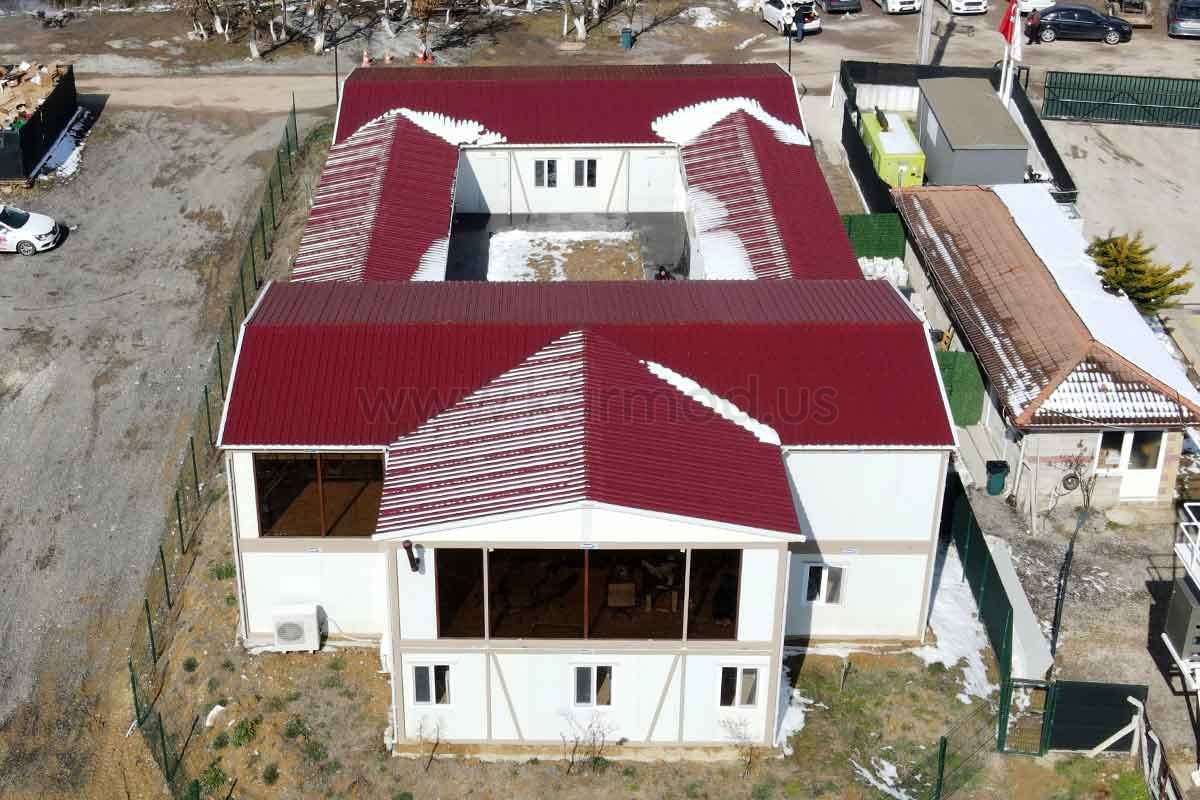
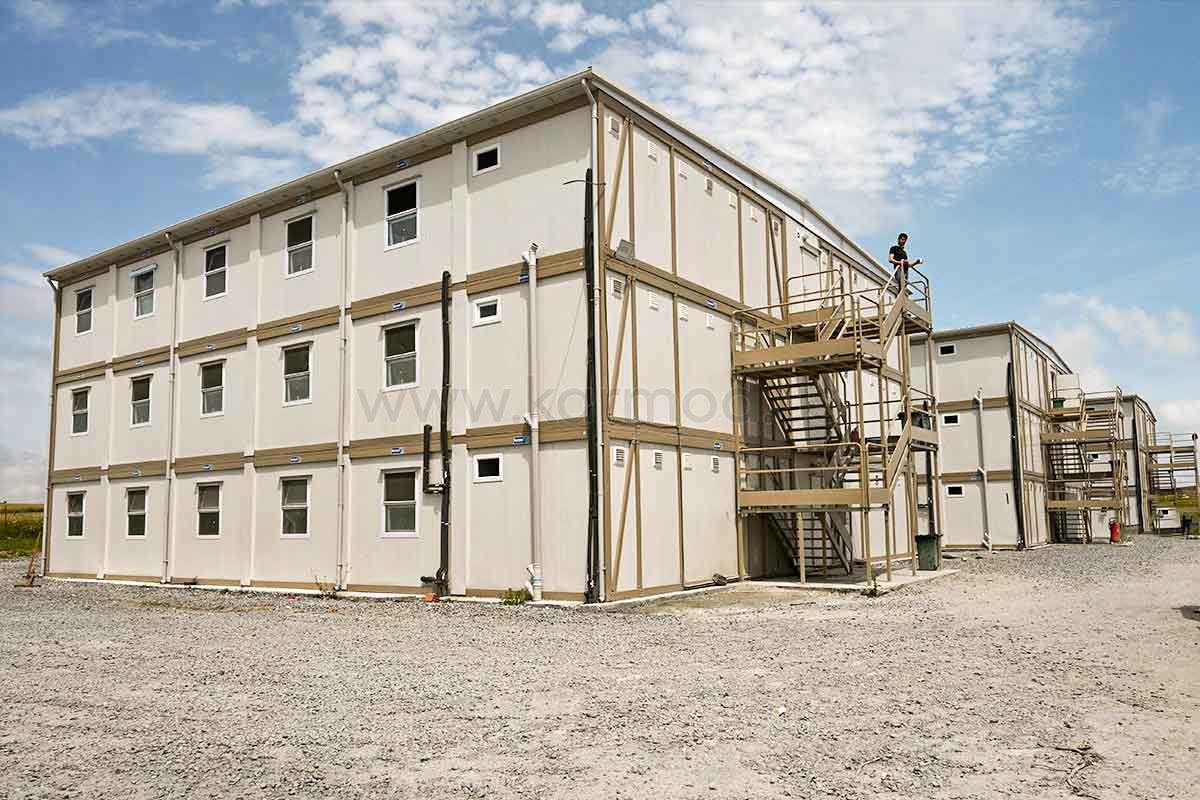
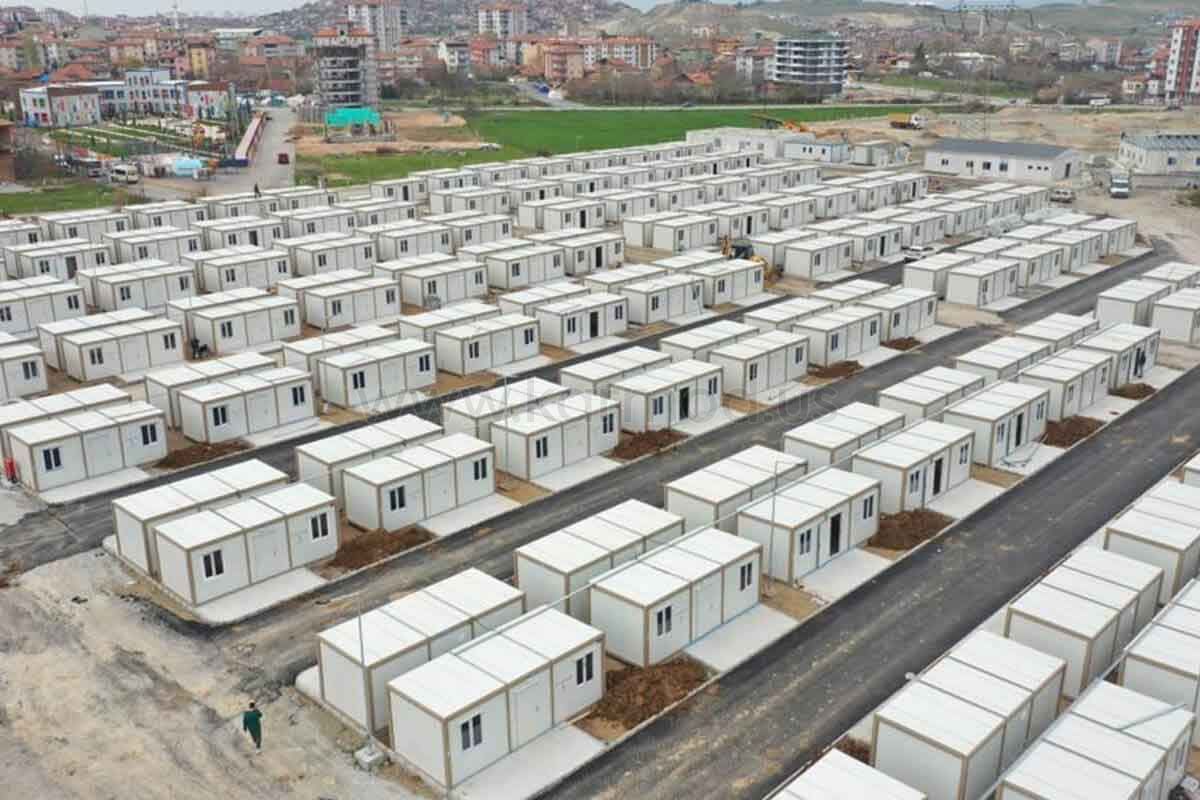
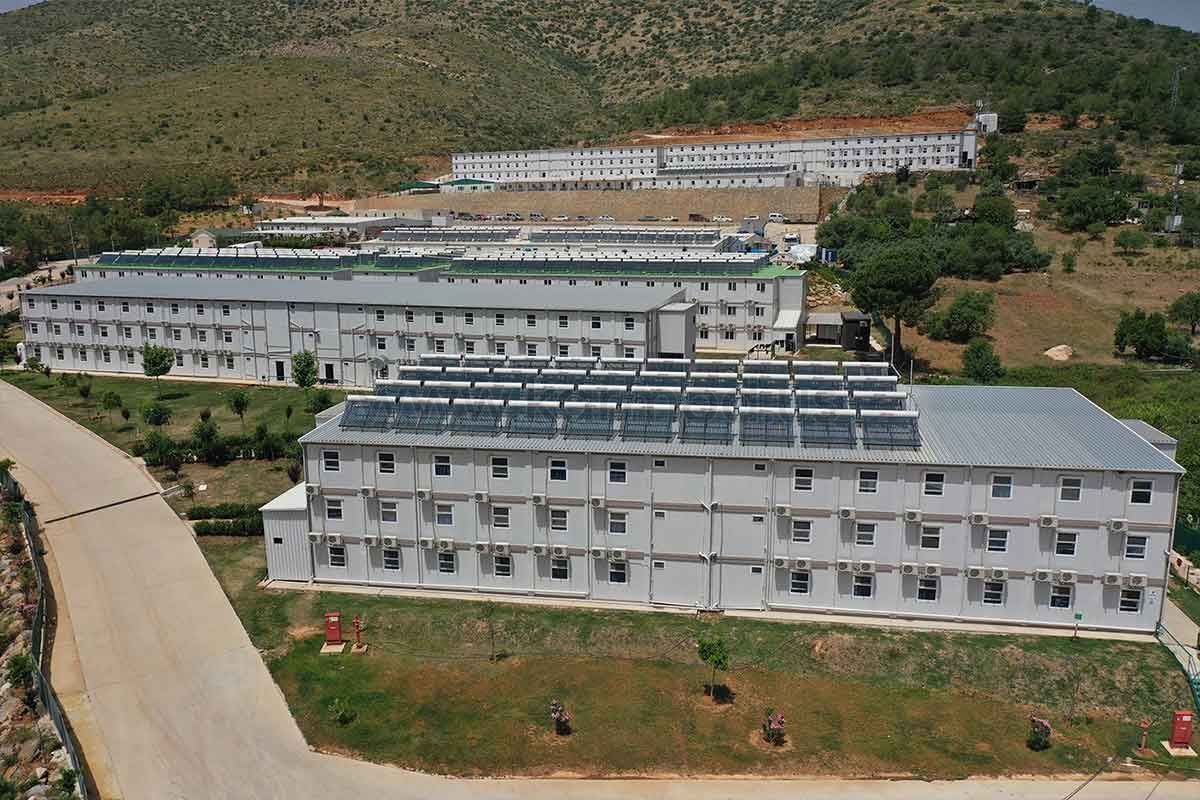
As North Carolina's education and business sectors continue to flourish, there's an increasing demand for flexible accommodation solutions. Enter the realm of accommodation and dormitory containers, a revolutionary approach to living spaces in North Carolina.
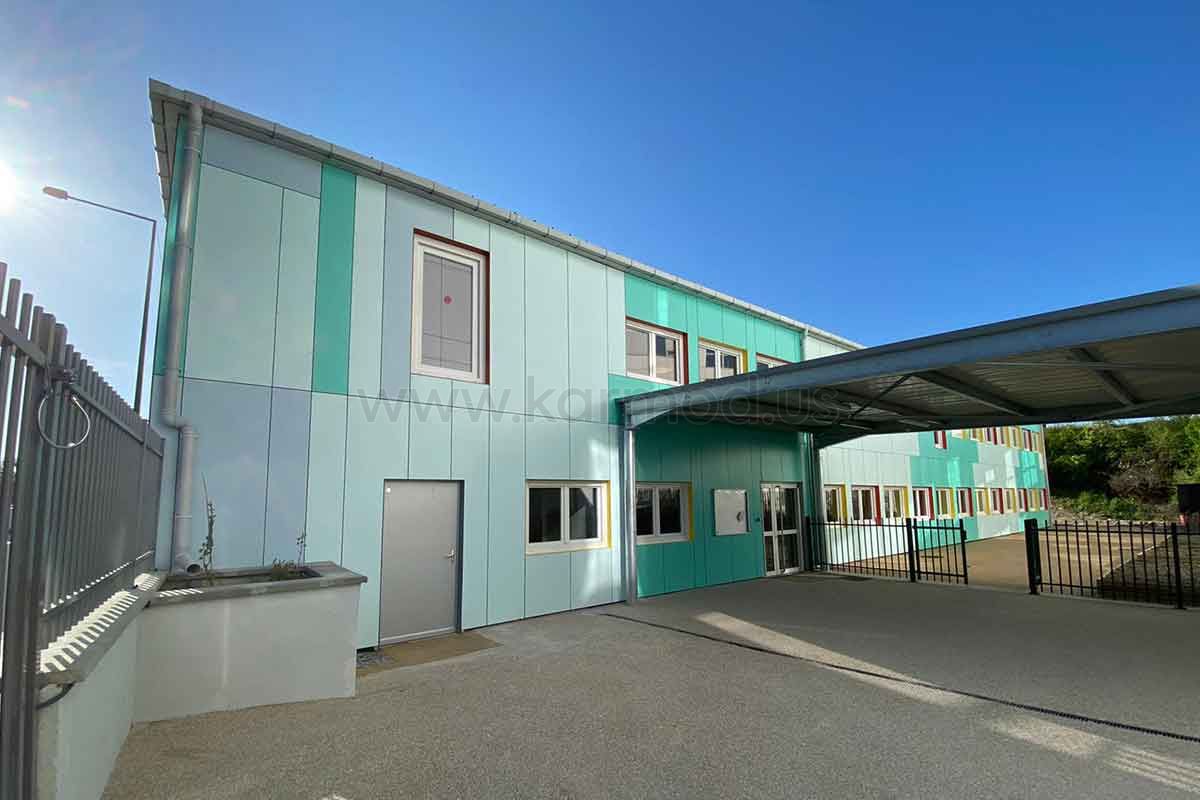
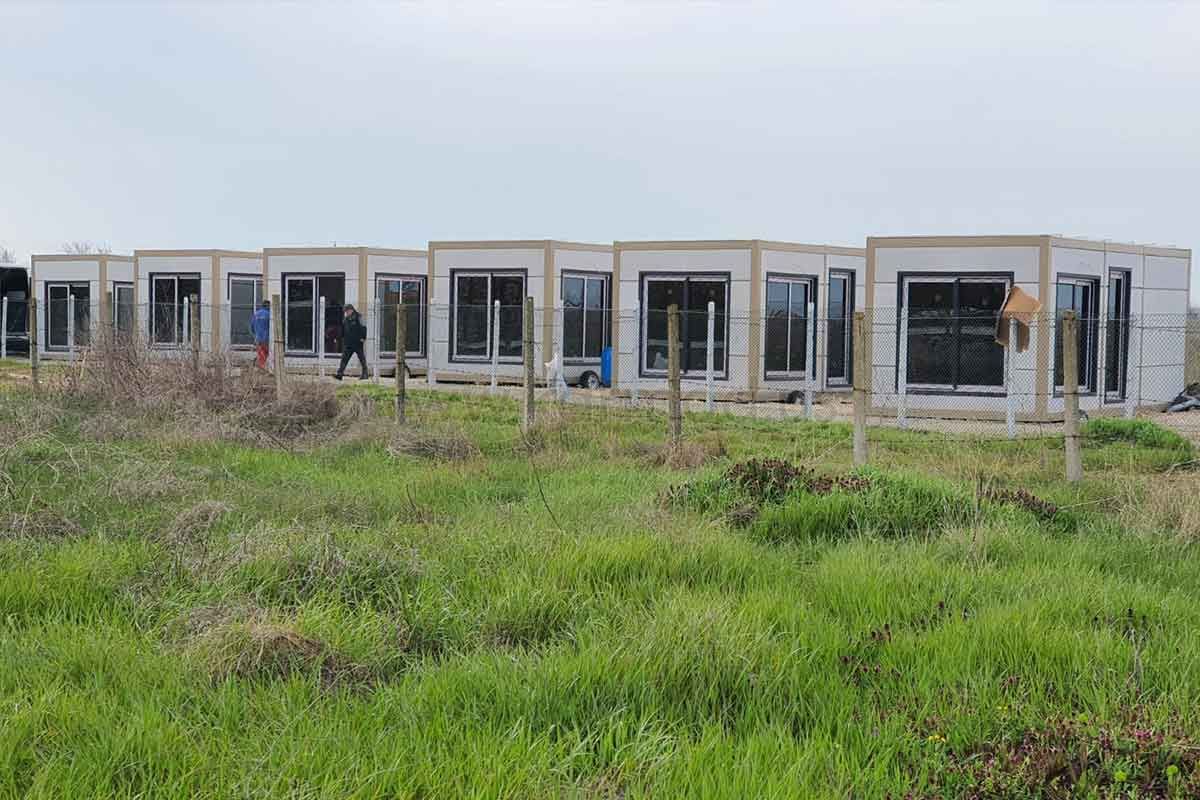
The contemporary challenges of urban development require innovative solutions. North Carolina, in its progressive stride, has embraced the potential of flat pack containers as a smart space solution.
As North Carolina looks towards the future, it’s evident that unconventional solutions like accommodation containers and flat packs will play a pivotal role. These smart space solutions are not just about addressing immediate needs; they reflect a broader vision of sustainable and innovative development in the region.


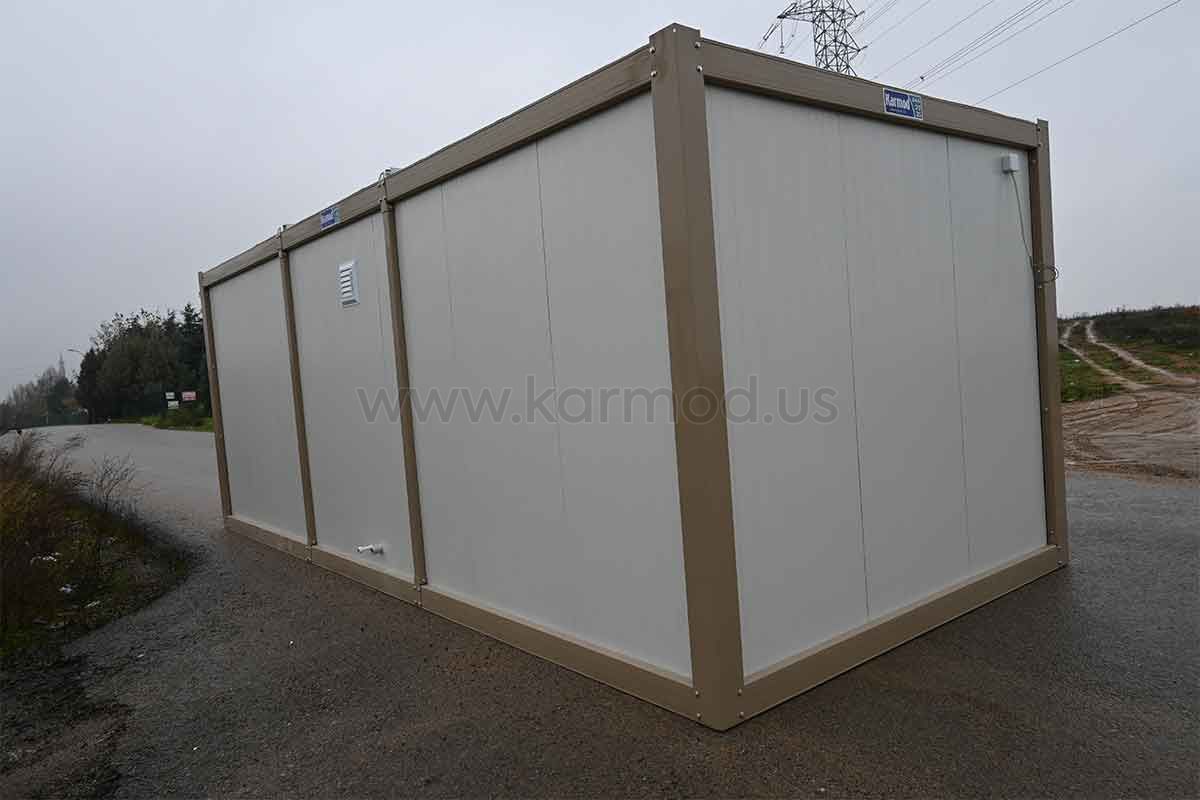


While the trend of repurposing storage and shipping containers into flexible spaces like Container Homes or temporary establishments has taken North Carolina by storm, it's essential to address some of the potential drawbacks associated with these structures. Here's a closer look at some of the disadvantages, grounded in local North Carolina insights.
First and foremost, the initial appeal of a storage or shipping container lies in its sturdy construction, but this can also be its downfall. The robust steel structure can lead to poor insulation, making it susceptible to extreme temperature variations. Especially in North Carolina's diverse climate, this can mean sweltering interiors in the summer and chilly conditions during winter. Although insulation can be added, this incurs additional costs and might not fully rectify the issue.
Another consideration is the limited space. While some see the compact nature of containers as a plus, it can quickly become a challenge, especially when trying to design a functional and comfortable Container Home. Adhering to North Carolina's building codes and regulations can sometimes reduce the already limited space inside, leading to cramped interiors.
Then there's the matter of Container Sanitary concerns. Proper plumbing and sanitation are paramount when converting these containers into liveable spaces. Given their original purpose—cargo transportation—these containers aren't designed with human habitation in mind. Retrofitting them to ensure proper sanitary conditions can be challenging and, if not done correctly, can lead to long-term health and hygiene issues.
Lastly, while the concept of recycling used containers sounds environmentally friendly, not all containers available in the market are fit for reuse. Some might have transported hazardous materials in the past, leading to contamination risks. Therefore, thorough checks and potential decontamination processes are necessary before any conversion takes place.
In conclusion, while the trend of transforming storage and shipping containers offers innovative solutions to housing and space challenges in North Carolina, potential users should be aware of the associated disadvantages. Proper research, consultation with experts, and adherence to North Carolina's safety and building standards will be pivotal in ensuring that these structures are both safe and comfortable.